Fragrance-Free vs Regular Diapers: What Parents Should Know
December 5, 2025
Difference Between Daytime & Nighttime Diapers: What Parents Should Know
December 12, 2025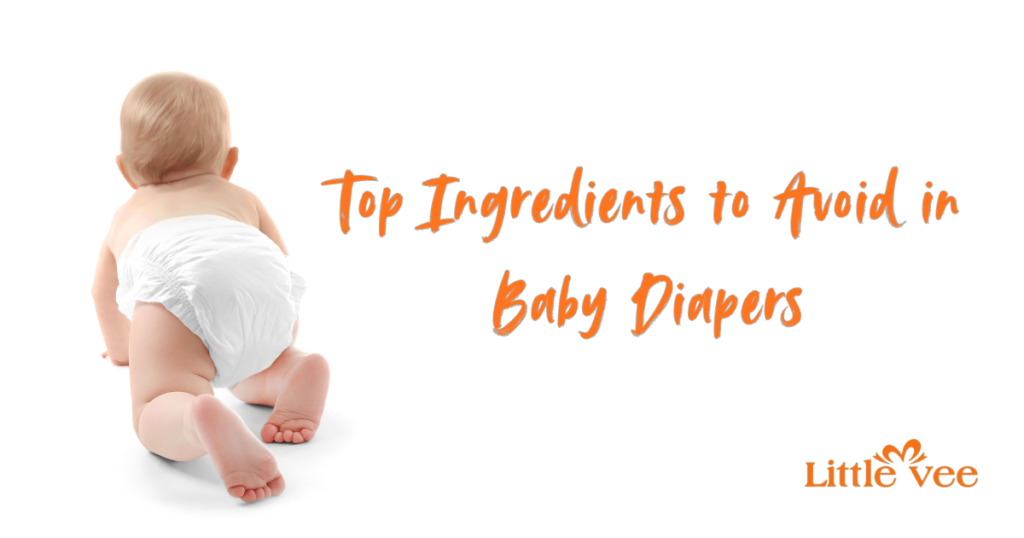
Choosing the right diaper can feel like a full-time job. Between different sizes, materials, and features, it’s easy to get overwhelmed—especially when you start reading the ingredient lists. As parents, we all want diapers that are safe, gentle, and comfortable for our little ones. But not every diaper ingredient is ideal for sensitive baby skin. To help you feel more confident and informed, here’s a simple, parent-friendly guide to the top ingredients you may want to avoid in baby diapers, especially if your baby has delicate or reactive skin.
1. Fragrances and Perfumes
Fragrances may make diapers smell fresh, but they can also irritate sensitive skin. Even when labels say “natural fragrance,” the actual blend may contain multiple chemicals to create that scent.
Why avoid them?
- They can trigger redness, rashes, and itching
- Babies with eczema are more sensitive to scents
- Fragrance ingredients are not always fully disclosed
If your baby frequently gets diaper rashes without a clear reason, switching to fragrance-free diapers can make a noticeable difference.
2. Chlorine or Chlorine Bleaching
Many diapers use chlorine to whiten the material. The concern here isn’t the color—it’s the byproducts. Chlorine bleaching can create dioxins, which you definitely don’t want near your baby’s skin.
Look for diapers labeled:
- TCF (Totally Chlorine Free)
- ECF (Elemental Chlorine Free)
Both options skip harsh chlorine processes and are much gentler for long-term skin contact.
3. Lotions and Added Moisturizers
Some diapers come with built-in lotions meant to protect your baby’s skin. While this sounds helpful, these lotions sometimes contain petroleum-based ingredients, parabens, or synthetic fragrances.
You may want to avoid lotion-added diapers if your baby:
- Has sensitive skin
- Gets rashes easily
- Reacts to skincare products
Many parents prefer diapers without lotions so they can choose their own diaper cream.
4. Phthalates
Phthalates are chemicals used to make plastics flexible. In diapers, they’re sometimes used in printed designs or certain components of the diaper’s outer layer.
The concern with phthalates is that they may irritate skin and are best avoided when possible, especially since babies wear diapers all day and night.
Choose diapers that specifically mention phthalate-free materials on the packaging.
5. Dyes and Inks (Especially Non-Safe Ones)
Those cute designs on diapers might look adorable, but not all dyes are created equal. Some dyes can cause allergic reactions or irritation on sensitive skin.
Safer diapers use:
- Water-based inks
- Food-grade dyes
- Minimal or no printed designs
This doesn’t mean you need plain diapers—just check that the dyes used are skin-safe.
6. Harsh Absorbent Gels or SAP Concerns
Almost all disposable diapers use SAP (super absorbent polymers). SAP itself is considered safe, but the quality and purity can vary across brands. Lower-quality gels may leak, clump, or cause irritation.
To stay safe:
- Look for brands that use high-quality SAP
- Avoid diapers that feel stiff, scratchy, or overly scented
- Choose diapers with “skin-safe” or “gentle protection” labels
How to Make Safe Choices as a Parent
Even with ingredient lists, diaper decisions can feel confusing. The good news? You don’t have to be perfect—just informed.
Here are simple steps to follow:
- Choose fragrance-free whenever possible
- Select TCF or ECF diapers
- Look for “hypoallergenic” and “dermatologist-tested” labels
- Test a small pack before buying in bulk
- Pay attention to how your baby’s skin reacts
Your baby’s comfort will always be your best guide.
Final Thoughts
Every baby’s skin is different, and what works well for one family might not work for another. Avoiding harsh ingredients can reduce irritation, prevent diaper rashes, and help your baby stay more comfortable throughout the day. You don’t need to memorize every chemical name—just knowing the major ones to avoid is enough to help you make safer, more confident decisions.
And remember, you’re doing great. Parenthood is full of choices, but when it comes to diapers, a little knowledge goes a long way.
FAQs
1. Are fragrance-free diapers always better for sensitive skin?
Yes, fragrance-free diapers are usually gentler and reduce the risk of irritation, especially for babies with eczema or frequent rashes.
2. What does chlorine-free diapering mean?
Chlorine-free diapers skip harsh bleaching processes and avoid creating unwanted byproducts like dioxins.
3. Can diaper dyes cause skin irritation?
Some dyes can, especially synthetic ones. If your baby reacts to printed diapers, try switching to diapers with minimal or water-based dyes.