
Biodegradable vs Chemical-Based Diapers—What’s Safer?
December 16, 2025
Newborn Essentials Every Parent Actually Needs
December 23, 2025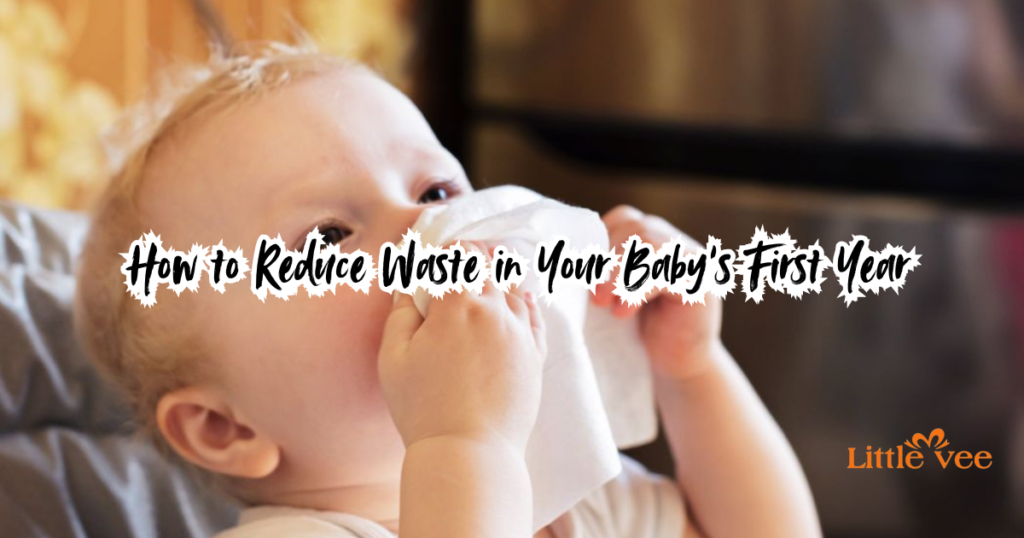
Your baby’s first year is full of sweet memories—first smiles, first giggles, first wobbly steps. But it also comes with something most parents don’t expect: a surprising amount of waste. From diapers to wipes to clothing, babies go through a lot. The good news? With a few simple choices, it’s completely possible to reduce waste while still keeping life easy, clean, and comfortable for your little one.
Here’s a gentle, parent-friendly guide to help you make small changes that add up in a big way throughout your baby’s first year.
Start With the Big One: Diapers
It’s no secret—diapers create the most waste during the first year. In the U.S., the average baby uses around 2,500–3,000 diapers before their first birthday. That’s a massive number.
If you want to reduce waste without making life complicated, consider switching to eco-friendly or biodegradable diapers. They’re made with plant-based materials and break down faster than traditional diapers. They also tend to avoid harsh chemicals, making them gentler for your baby’s skin.
You can also try a mixed approach:
Use biodegradable baby diapers during the day and overnight diapers only when you need extra absorbency. Even this small shift can significantly cut down your household waste.
Choose Reusable Products When Practical
Not every reusable option will fit your lifestyle—and that’s okay. But choosing just one or two reusable items can make a huge impact.
Here are some easy swaps:
- Reusable cloth wipes instead of disposable wipes
- Washable nursing pads instead of single-use pads
- Reusable snack bags once your baby starts solids
- Silicone bibs instead of disposable paper bibs
Each reusable item saves dozens—sometimes hundreds—of disposables from going to the trash.
Buy Baby Clothes Thoughtfully
Tiny clothes are adorable… and babies outgrow them quickly. Sometimes your baby will wear an outfit only once or twice before it no longer fits.
You can reduce waste while still having plenty of cute options by:
- Choosing neutral basics that pair easily
- Purchasing gently used clothes from trusted resell shops
- Accepting hand-me-downs from family or friends
- Buying quality over quantity—better fabrics last longer
And when your baby outgrows clothing, pass it forward. A simple donation helps another family and keeps textiles out of landfills.
Be Mindful With Baby Gear
Parents often feel pressured to buy everything—but babies don’t actually need much.
When it comes to gear:
- Borrow items used for short periods, like bassinets or bouncers
- Opt for high-quality items that can grow with your child
- Choose products with multiple purposes (e.g., a crib that becomes a toddler bed)
This cuts down on waste and saves you money.
Choose Sustainable Feeding Options When Possible
As your baby grows, feeding methods change, and so do the products you use. A few small choices can help reduce waste:
- Use glass or silicone baby bottles instead of plastic
- Choose reusable baby food containers for homemade or store-bought purees
- Pick washable silicone feeding mats for less mess and less paper waste
Even one sustainable feeding switch can make your daily routine greener.
Make Waste Reduction a Gentle Habit, Not a Burden
Reducing waste in your baby’s first year doesn’t have to be overwhelming. Start with one change—diapers, wipes, bottles, bibs—and build from there. Every step counts. What matters most is making choices that feel manageable for your family and comfortable for your baby.
With mindfulness and a few eco-friendly swaps, you’ll create a more sustainable home while giving your little one a kinder planet to grow up in.
FAQs
1. Do eco-friendly diapers work as well as regular diapers?
Yes, many biodegradable diapers now offer excellent absorbency and comfort. Look for brands with strong leak-protection and plant-based cores.
2. Are reusable baby products harder to maintain?
Not really. Most reusable items—like cloth wipes, silicone bibs, or washable nursing pads—can simply be tossed in the washing machine.
3. What’s the easiest way to start reducing baby-related waste?
Start with diapers or wipes. They’re used daily and create the most waste, so a small switch makes a big difference.