How to Recycle and Dispose of Diapers Responsibly
November 24, 2025
How to Store Diapers Properly for Maximum Freshness
November 28, 2025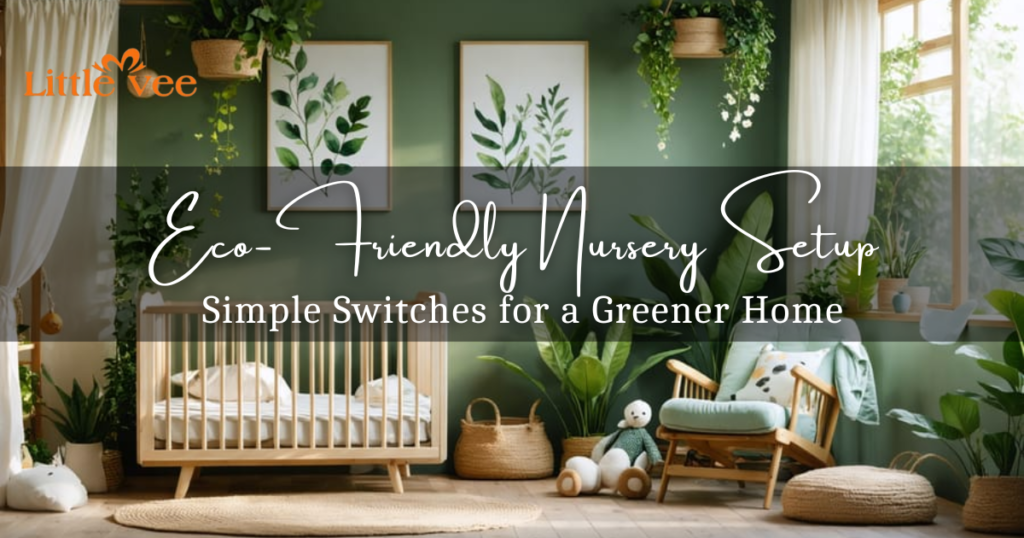
Creating a nursery is one of those special moments that truly makes everything feel real. You’re preparing a space where your baby will sleep, grow, and spend their quietest (and not-so-quiet!) moments. If you’re hoping for a setup that’s gentle on your baby and the planet, the good news is that an eco-friendly nursery doesn’t require a major overhaul. In fact, small, thoughtful switches can make a big impact.
Here’s a simple, comforting guide to building a greener nursery—one choice at a time.
Start With What You Already Have
Before buying anything new, take a moment to look around your home. Eco-friendly living often begins with using what you already own.
- A dresser can double as a changing table
- A sturdy bookshelf can grow with your child
- Soft blankets or baskets you already have can work beautifully for storage
Not only does this reduce waste, but it also saves money—something every parent can appreciate.
Choose Sustainable Furniture
When it does come time to purchase nursery essentials, look for items made from natural, long-lasting materials.
What to look for:
- Solid wood furniture (especially FSC-certified)
- Non-toxic finishes and paints
- Convertible designs that grow with your baby (crib → toddler bed)
These pieces last longer, contain fewer harmful chemicals, and stay out of landfills for years.
Pick Gentle, Eco-Friendly Textiles
Baby skin is sensitive, so choosing sustainable fabrics can benefit both the environment and your little one.
Great options include:
- Organic cotton crib sheets
- Breathable bamboo swaddles
- Wool or cotton rugs instead of synthetic options
Try to stick with materials that are GOTS-certified or OEKO-TEX certified, which typically means fewer chemicals and more responsible production.
Go for Reusable When It Makes Sense
You don’t have to be a zero-waste superhero to make reusable items part of your routine. Small swaps add up over time.
Some simple reusable choices:
- Cloth wipes
- Washable changing pad covers
- Refillable diaper cream containers
- Silicone snack cups or bottles as your baby grows
Even incorporating just one or two of these can reduce daily household waste.
Choose Green Diapering Options
Diapering is usually where parents want eco-friendly choices but aren’t sure where to start.
You can try:
- Eco-friendly disposable diapers made with plant-based materials
- Cloth diapers part-time or full-time
- Compostable diaper options (if your area allows it)
There’s no one “perfect” solution—just choose what feels manageable and sustainable for your family’s lifestyle.
Add Indoor Plants for Cleaner Air
Plants can naturally improve indoor air quality by reducing toxins and adding a calm, peaceful vibe to the room. Great low-maintenance choices include:
- Snake plant
- Pothos
- Spider plant
Just be sure to keep them out of reach when baby starts crawling.
Opt for Non-Toxic Paint and Décor
If you’re painting the nursery or adding wall décor, choose low-VOC or zero-VOC paints. These reduce indoor air pollution and are safer for babies who spend a lot of time in their rooms.
For decorations, think about:
- Wooden toys
- Fabric wall hangings
- Handmade or thrifted pieces
They often carry more warmth and personality than mass-produced plastic items.
Final Thoughts
An eco-friendly nursery isn’t about perfection. It’s about making gentle, intentional choices that support your baby’s well-being and help create a healthier planet for their future. Whether you choose sustainable sheets, repurpose furniture, or try greener diapers, each step matters.
You’re already doing an amazing job by simply being thoughtful—and your baby’s nursery will reflect that love.
FAQs
1. Do I need to buy all new eco-friendly products to create a green nursery?
Not at all. Reusing items you already have is one of the most eco-friendly steps you can take.
2. Are eco-friendly diapers worth it?
They can be, especially if you’re aiming to reduce chemicals and waste. Even switching part-time makes a difference.
3. Are indoor plants safe in a nursery?
Yes, as long as they’re kept out of reach and you choose non-toxic varieties.